Assessment & responsive teaching
Evidence into
action.
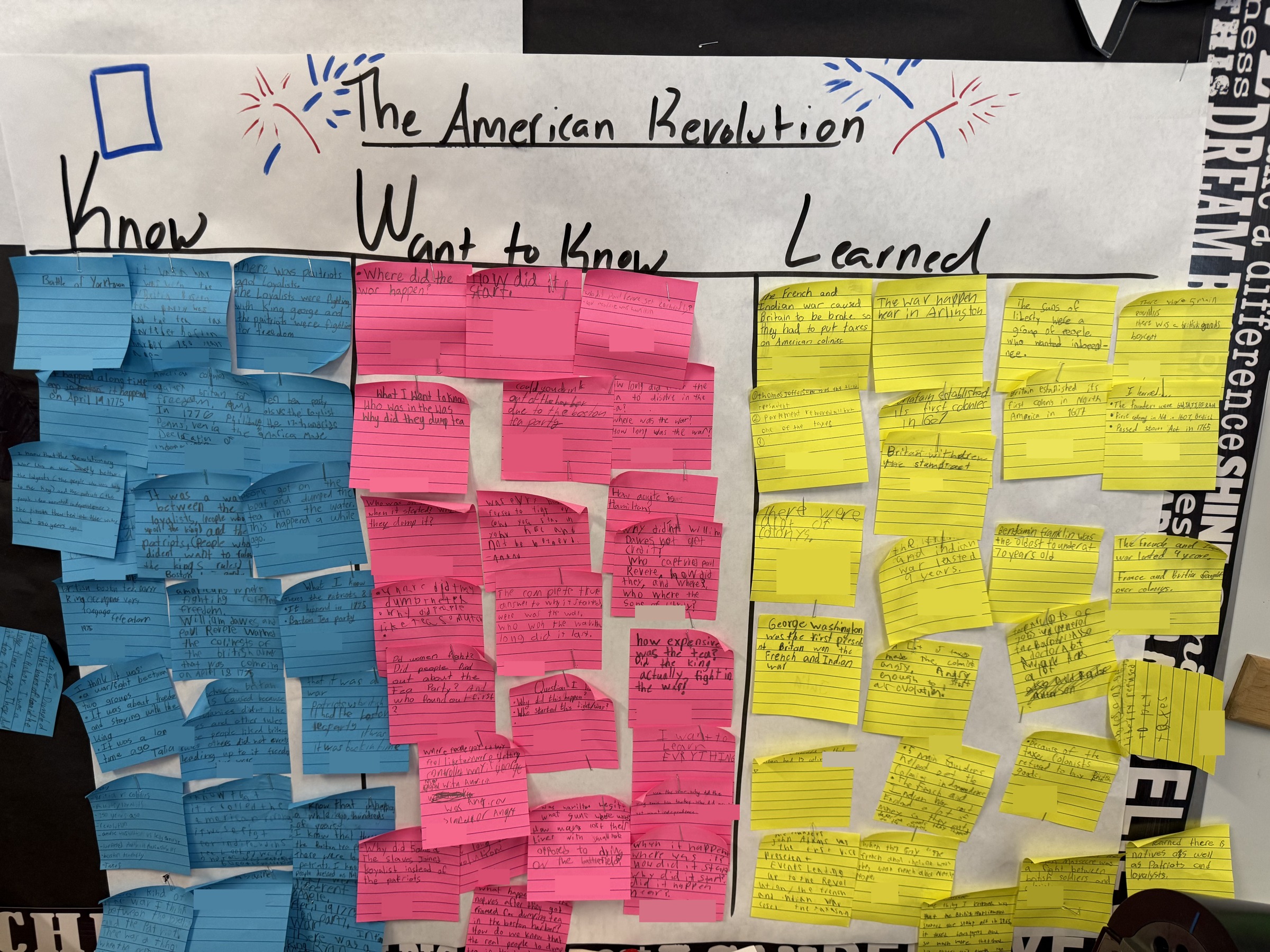
Data is not a final score; it is a continuous feedback loop. I bring formal summative results together with daily formative evidence to identify patterns, adjust instructional focus, and decide what each learner needs next.
Evidence I use
Select any phase to open its full explanation and classroom examples.
Responsive teaching in practice
Testing a mathematical conjecture
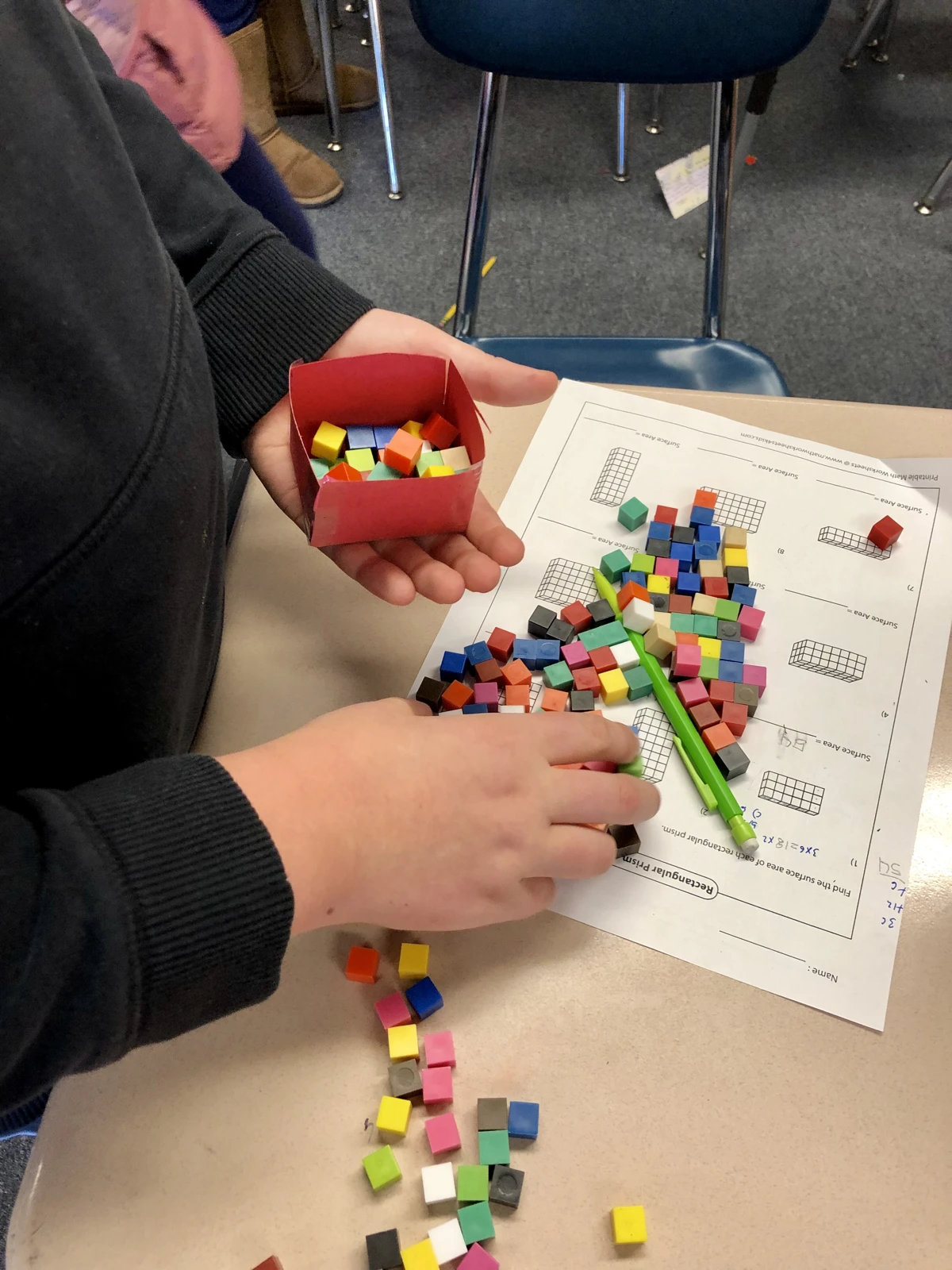
During a lesson on surface area, a student conjectured that surface area and volume were the same. Rather than correcting him, I challenged him to build rectangular prisms with cubes and test his hypothesis.
His conjecture gave me insight into his thinking and guided my next teaching move: an investigation rather than an explanation. I wanted him to examine the evidence and decide whether his idea held up.
I didn’t want to be the one to tell him “no.” I wanted him to have the opportunity to reach that conclusion himself. When students test and revise their own ideas, I believe the learning is more likely to stick.
Evidence of student thinking
Making thinking visible.